
How Pyrevo Sells Using Its Own Sales Engine — and What We Learned
Real behind-the-scenes: how Pyrevo uses its own SDR Agent on WhatsApp, Instagram, and chat to convert B2B leads without growing the team.

There's a test every technology vendor should pass before selling anything: use your own product day-to-day and face the same pain points your customers face. At Pyrevo, we call this dogfooding — and it's exactly what we do.
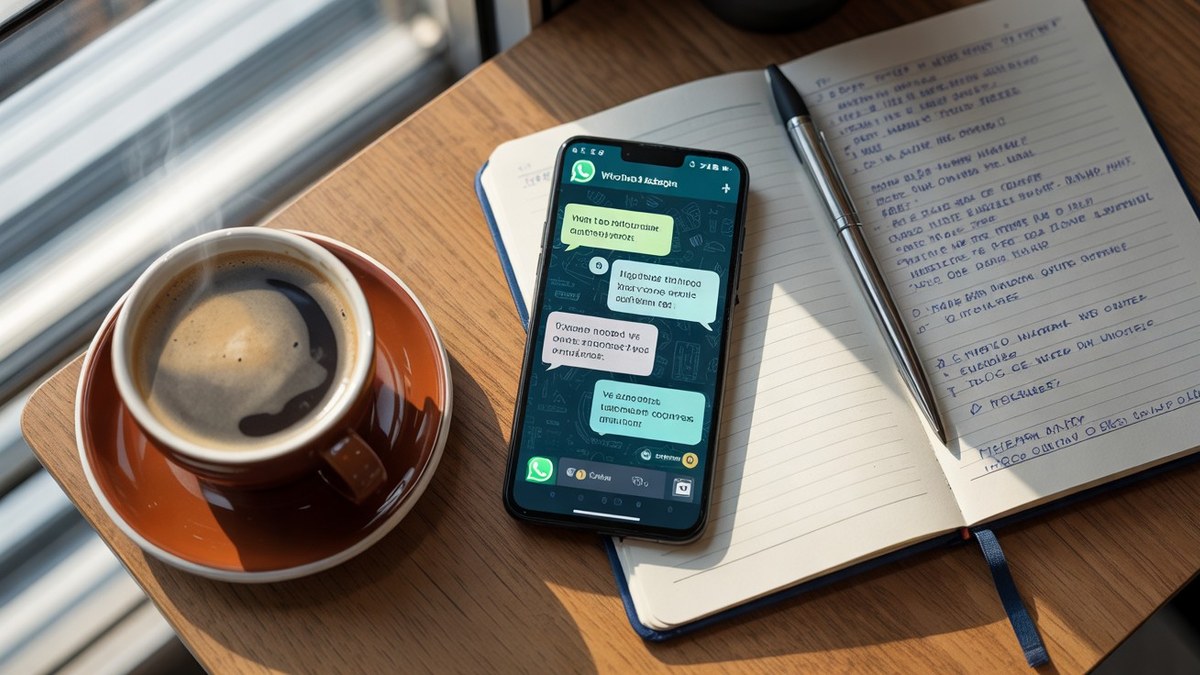
From day one, our Sales Engine handles leads coming in through WhatsApp, Instagram direct messages, and the website chat. No human SDR needs to be online to send the first reply. Every conversation is recorded in the CRM, with the funnel stage, full history, and context — ready for the sales team to step in at exactly the right moment.
The outcome wasn't just operational. It was a crash course in what actually works when AI and humans share the same sales funnel.
The Problem We Needed to Solve Before Offering the Solution
Before automating customer-facing outreach, we needed to understand where our own process broke down. The diagnosis was uncomfortable: leads arrived outside business hours, went unanswered for hours — sometimes an entire day — and went cold before the team had a chance to qualify them.
We tried scaling with people. It didn't work: costs grew faster than revenue, and response quality varied too much between agents. We needed consistency, speed, and traceability — all at once.

How the Sales Engine Works Behind the Scenes
The SDR Agent is the entry point. When a lead sends a message — on WhatsApp, Instagram direct, or the website chat — the AI replies in less than 30 seconds, with context from any previous conversation. It's not a glorified FAQ: the agent asks questions, understands the lead's problem, and advances or disqualifies based on criteria defined by the team.
Every interaction is logged in Pyrevo Grow, our CRM. The lead moves up the funnel automatically when qualification criteria are met: segment confirmed, team size provided, urgency identified. Only then does the alert reach the human consultant.
This radically changes the conversation the human has. Instead of starting from scratch — "how can I help you?" — the consultant already knows the name, company, problem, and what was said in the last few messages. The meeting starts in the middle, not at the beginning.
What the Agent Does (and Doesn't Do)
It's important to be honest about the limits. The AI excels at:
- Answering product questions with accuracy and consistency
- Qualifying leads with structured questions
- Following up at the right moments, without being pushy
- Logging everything in the CRM without relying on any human to do it
It does not replace the consultant when it comes to negotiating terms, understanding client context nuances, or closing complex deals. This balance is intentional — and it's what makes the funnel efficient.
Before and After, in Numbers
After six months running the Sales Engine internally, we compared key indicators against the previous period.
| Indicator | Before the Sales Engine | After |
|---|---|---|
| Average first response time | 4 hours | less than 30 seconds |
| Lead qualification rate | 18% | 41% |
| Meetings booked per week | 6 | 14 |
| Team hours spent on manual triage | 12 h/week | 2 h/week |
< 30 s
AI first response time
2.3×
more meetings booked per week
41%
of leads reach the team already qualified
83%
reduction in manual triage hours
What We Learned That No Manual Covers
Running the product in your own business exposes what the demo doesn't show. Three lessons stood out clearly:
1. Response speed matters more than response perfection. A lead who gets a reply in 20 seconds — even if the reply is "got it, let me check" — converts better than one who receives the perfect answer four hours later.
2. The CRM only works if the team believes in it. The first few months saw resistance. Consultants kept parallel spreadsheets. The turning point came when we showed them that the CRM history left them better prepared for the meeting than any notebook. Adoption isn't training — it's demonstrating value.
3. The agent needs to know when to stop. We configured automatic handoff: when a lead mentions budget, timeline, or asks something outside the script, the agent signals the team and stops trying to respond alone. This prevented friction and preserved the lead's trust.
Why Dogfooding Matters for Technology Buyers
When a vendor uses their own product, the conversation changes. You're not buying a promise — you're buying something the vendor's team uses to pay their own bills. Every bug a customer finds, the team found first. Every improvement was requested internally before it reached the roadmap.
For Pyrevo's ICP — founders and commercial leaders at B2B companies — this matters because the risk of adopting a new tool is real. Integrations that don't work, data that gets lost, teams that don't adopt. Dogfooding doesn't eliminate every risk, but it reduces the most critical one: buying something the vendor never truly tested themselves.
The Funnel We Built (and That Any SMB Can Replicate)
The model we developed internally follows a simple logic that any B2B company can adapt:
- Unified entry: all channels (WhatsApp, Instagram, website chat) land in one place — no lost conversations from switching tabs.
- Automatic qualification: the agent gathers the minimum information before involving a human.
- Handoff with context: the consultant receives a conversation summary before stepping in.
- Automatic logging: every stage is in the CRM, without depending on anyone remembering to fill it in.
- Smart follow-up: leads who didn't respond receive outreach again at the right moment, without pressure.
This cycle doesn't require a large team. It requires a well-designed process and a tool that respects that process.
If you want to understand how this funnel would work for your business, talk to our agent just below — they're online right now and already know what to ask.
Talk to the Pyrevo agent now
Pyrevo's AI agent is the product itself in action: it replies in seconds, any time, and shows how this works in your business.
Prefer to leave a message? Use the contact form